
DIY PAT Testing Guide: Is it Possible?

Portable Appliance Testing (PAT) is essential for ensuring electrical appliances are safe to use. Many businesses and individuals wonder if they can carry out PAT testing themselves. The question is simple: DIY PAT testing - is it possible? In this guide, we will explore what PAT testing involves, the legal requirements, and whether you can safely and effectively perform it on your own.
Understanding PAT Testing
PAT testing is a process that checks electrical appliances to make sure they are safe. It involves a visual inspection and electrical tests using specialised equipment. The goal is to prevent accidents caused by faulty appliances, such as electric shocks or fires.
The process includes:
Checking the appliance for visible damage
Testing the electrical insulation and earth continuity
Recording the results for future reference
PAT testing is not just a recommendation; it is a legal requirement in many workplaces. The Health and Safety Executive (HSE) in the UK expects employers to maintain electrical safety. This means regular PAT testing is necessary to comply with safety regulations.

DIY PAT Testing Guide: What You Need to Know
If you are considering DIY PAT testing, you need to understand what it involves. PAT testing requires specific knowledge and equipment. Here are the key points to consider:
Training: You must know how to use PAT testing equipment correctly. Without proper training, you risk missing faults or causing damage.
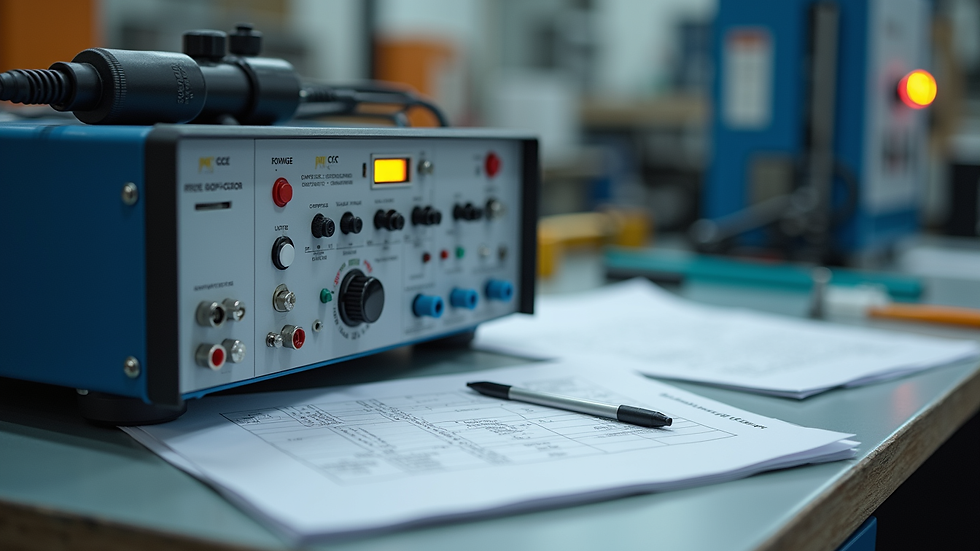
Equipment: PAT testers are specialised devices that can be expensive. They measure electrical properties like insulation resistance and earth continuity.
Safety: Testing involves working with electricity. Incorrect handling can be dangerous.
Record Keeping: You must keep detailed records of all tests, including dates, results, and any actions taken.
For businesses, it is often more practical to hire a professional PAT testing service. However, if you decide to do it yourself, ensure you get proper training and invest in reliable equipment.
Legal and Safety Considerations
The law requires that electrical appliances in the workplace are safe. This means PAT testing must be done regularly. However, the law does not say who must do the testing. It can be done by a competent person, which could be an employee or an external professional.
Competence means having the right knowledge, experience, and training. If you want to DIY PAT testing, you must be confident you meet these criteria. Otherwise, you could put people at risk and face legal consequences.
Safety is the top priority. Faulty testing can lead to accidents. For example, a missed earth fault could cause electric shock. Therefore, if you are unsure, it is better to hire a professional.
For those who want to pat test my applianc london, professional services offer peace of mind. They have the expertise and equipment to do the job safely and efficiently.
How to Start DIY PAT Testing
If you decide to proceed with DIY PAT testing, here are practical steps to follow:
Get Trained: Attend a recognised PAT testing course. Many providers offer short courses that cover theory and practical skills.
Buy the Right Equipment: Choose a PAT tester that suits your needs. Look for models with clear instructions and safety features.
Create a Testing Schedule: Plan how often you will test each appliance. High-risk items may need more frequent checks.
Perform Visual Inspections: Before testing, check appliances for obvious damage like frayed cables or broken plugs.
Conduct Electrical Tests: Use the PAT tester to check insulation resistance, earth continuity, and other parameters.
Record Results: Keep a log of all tests, including any faults found and repairs made.
Label Appliances: Mark tested appliances with stickers showing the test date and next due date.
Remember, PAT testing is not a one-time task. It requires ongoing attention to keep appliances safe.
When to Call in the Professionals
DIY PAT testing is possible, but it is not always the best choice. Here are situations when professional help is advisable:
You have many appliances to test
You lack training or experience
You need a quick turnaround
You want a full safety inspection beyond basic PAT testing
You want to ensure compliance with insurance or legal requirements
Professional PAT testers have the skills and tools to handle complex situations. They can also provide certification that may be required for audits or insurance.
Using a service like pat test my applianc london ensures your appliances are tested to the highest standards. This can save time and reduce risk.
Keeping Your Appliances Safe Long-Term
Whether you do PAT testing yourself or hire a professional, maintaining appliance safety is an ongoing process. Here are some tips to help:
Regular Inspections: Check appliances visually every time before use.
Prompt Repairs: Fix or replace damaged cables, plugs, or appliances immediately.
Proper Use: Use appliances according to manufacturer instructions.
Safe Storage: Store appliances in dry, clean areas to prevent damage.
Update Records: Keep your PAT testing records up to date and accessible.
By following these steps, you can reduce the risk of electrical accidents and keep your environment safe.
DIY PAT testing is possible but requires commitment. With the right training, equipment, and care, you can perform basic tests yourself. However, for many, professional PAT testing services offer a safer, more reliable solution. Whatever you choose, the key is to prioritise safety and compliance at all times.


Comments